The best Phu Quoc night market tip fits in one line: ask the price and the unit before you say yes. Most "I got ripped off" stories aren't really scams. They're small misunderstandings, like assuming a price was per kilo when it was per 100 grams, or not realising cooking was extra.
Wandering a night market for grilled seafood and a few souvenirs is a classic island evening. These habits work at any stall, any night.
Seafood: per kilo, per 100g, or per piece?
The sign next to the prawns often shows a single number. It could be per kilo, per 100 grams, or per piece. Between 100g and a kilo, that's a tenfold difference, so just ask: "Per kilo or per 100 grams?" For a lobster or big crab, also ask roughly what your one weighs, so you can estimate the total before anything goes near the grill.
Watch the scale, then agree
- Stand there while your seafood is weighed and read the number yourself.
- Snap a photo of the scale if it's easy.
- Say it back: "1.2 kilos, so how much in total?"
Only then send it to the kitchen. Once it's cooked, nobody can weigh it again.
"Does that include cooking?"
Some places charge for raw seafood and cooking separately, others bundle them. Drinks, ice, wet towels and dipping sauces may or may not be extra. One question covers the lot: "What's the total, including cooking?" If a restaurant has no printed prices, ask before ordering each dish.
Cash: small notes, count the zeros
Vietnamese dong has a lot of zeros. 50,000₫ and 500,000₫ differ by one digit, and under warm night lights the blue 20,000₫ and 500,000₫ notes are easy to confuse. Handy shortcut: 50,000₫ is about US$1.95, so "50k" is roughly two dollars.
Carry small notes so you're not waiting on change, and count it on the spot. QR transfers are common, but they usually need a Vietnamese banking app, so cash is the safe default for visitors.
Souvenirs: haggle nicely
At souvenir and dried-goods stalls, bargaining is normal. Ask, offer something reasonable, keep smiling. If it doesn't work out, say thanks and walk on. For pricier things, browse a few stalls first, and only haggle if you actually mean to buy.
Getting home: fix the fare first
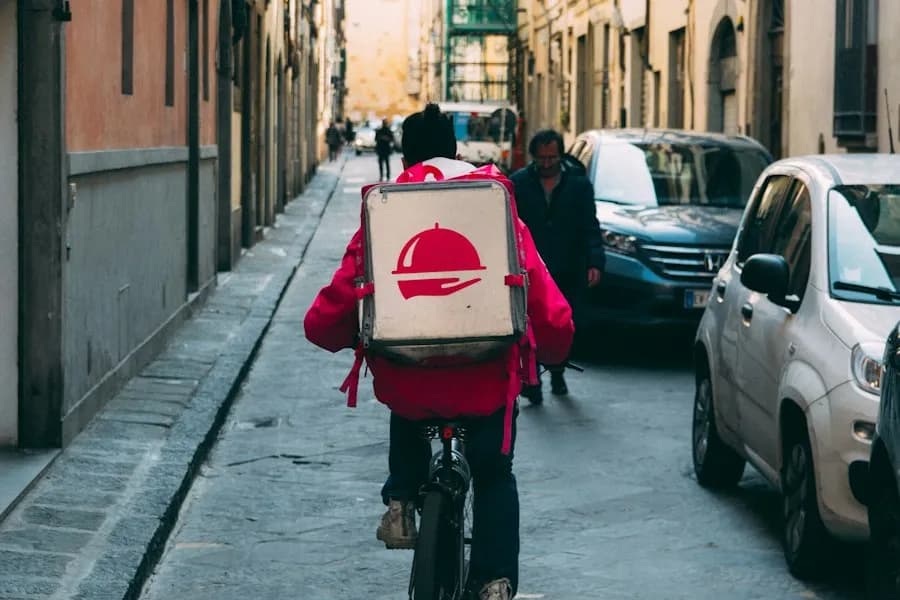
For motorbike taxis, buggies or any car without a meter, agree the price and destination before you get in. In a metered taxi, check the meter is running. Ride-hailing apps show the fare upfront if you'd rather skip the negotiation.
Same rule at NightGo: price first
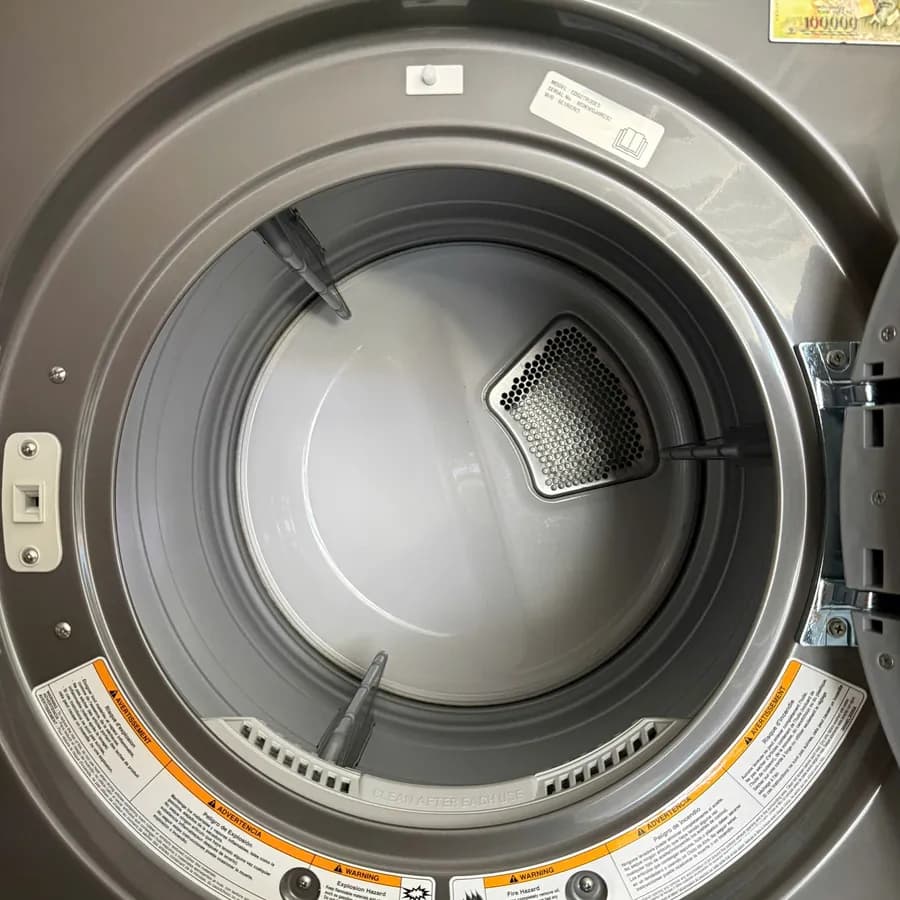
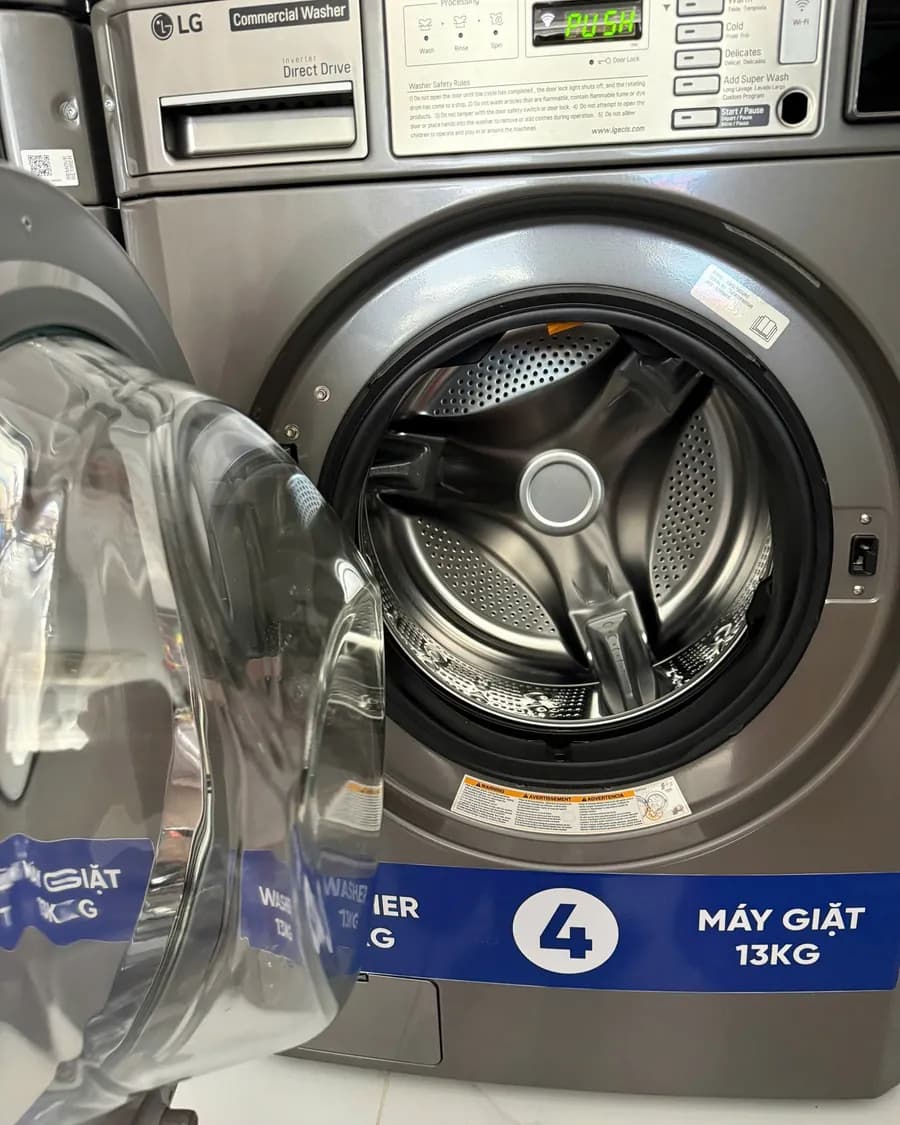
If your trip needs a laundry stop, NightGo Laundry (Alley 124 Tran Hung Dao, Duong Dong) puts the numbers up front: 45,000₫/kg (about US$1.75) standard, ready in 3–4 hours, or 55,000₫/kg (about US$2.15) express in 1–2 hours, washing, drying and folding included; orders under 3 kg are a flat 130,000₫. Pickup and delivery is from 50,000₫ per order, both ways, and we tell you the fee for where you're staying before we come.
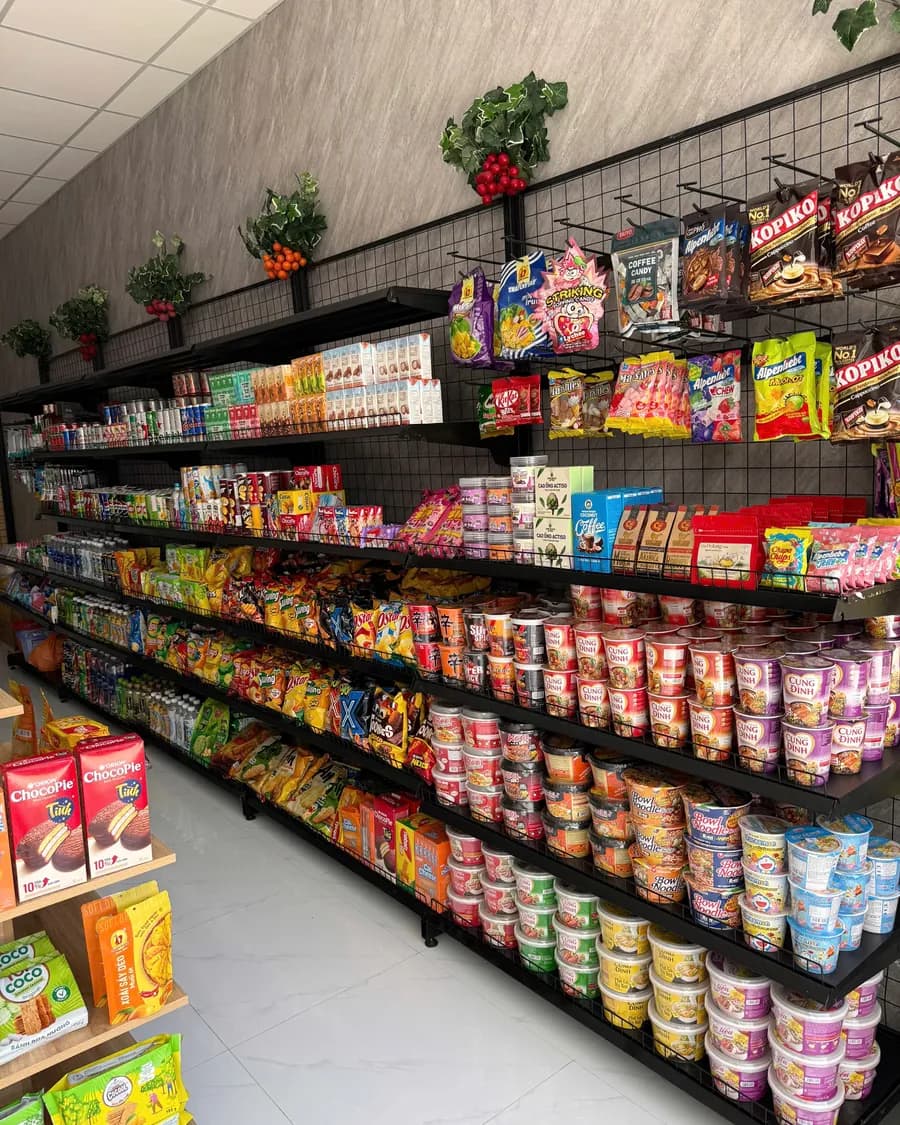
Your bag is weighed at the shop before washing and you pay for the real weight; we always send you a photo of the scale with the total. You pay in cash or by bank transfer when your clothes come back. We're open 24/7, with a mini mart for water and snacks after a late night out. Full prices: Phu Quoc laundry by the kilo.
FAQ
How is seafood priced at night markets?
It depends on the stall: per kilo, per 100g or per piece. Ask the unit and agree the weight before it's cooked.
Should I bargain?
At souvenir stalls, polite bargaining is fine. For seafood, the unit and the total matter more.
Do I need cash?
Yes, bring small notes. QR payments usually need a local banking app.